Senocare India: Managing Lumbar Spondylosis with Physiotherapy: A Comprehensive Guide
Content is medically reviewed by:
Dr. Shakti Singh
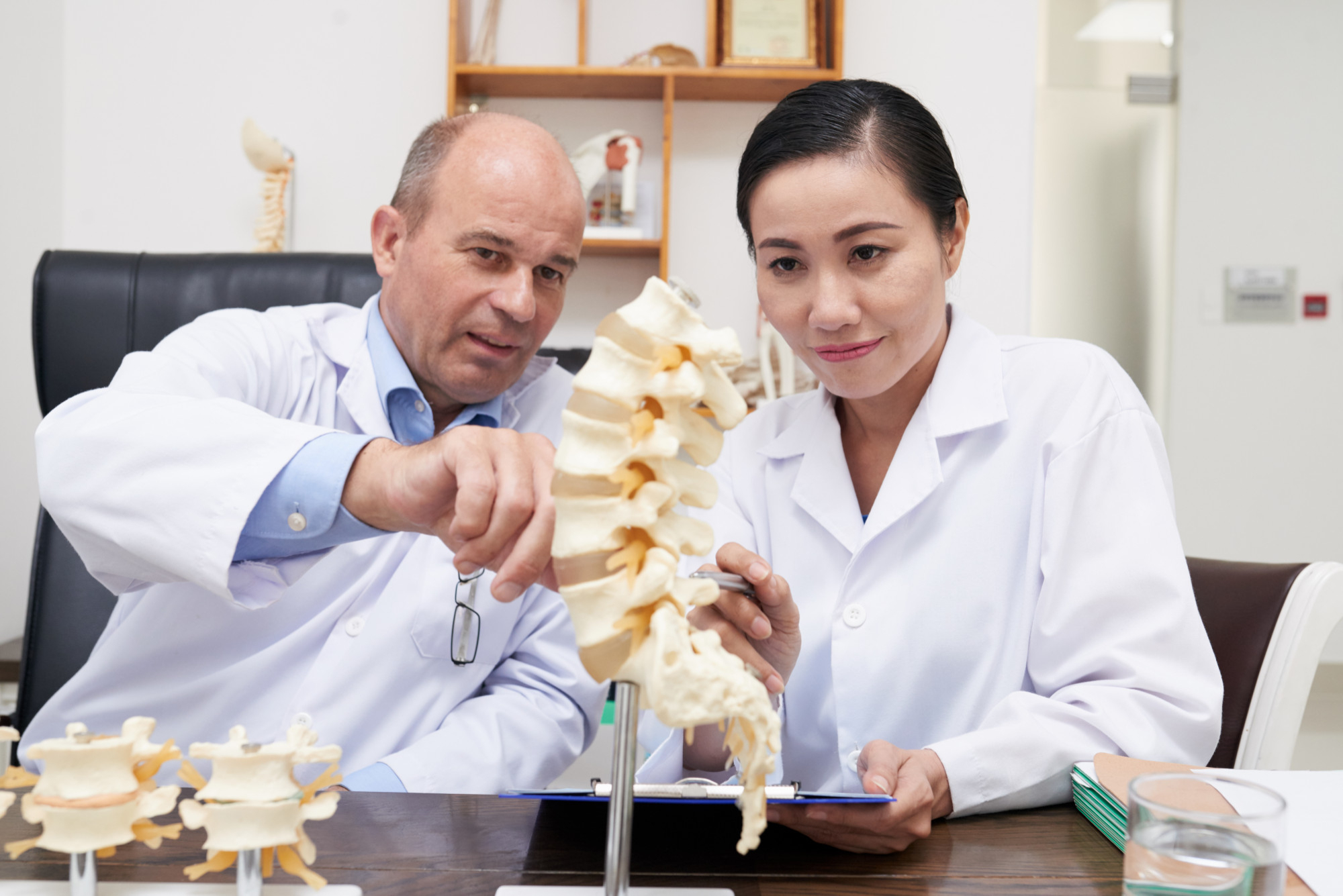
Lumbar spondylosis commonly known as degenerative disc disease, is a spinal condition that affects the lumbar region of the spine. This condition can cause a range of symptoms, from mild discomfort to severe pain and reduced mobility. In this article, we will delve into what lumbar spondylosis is, its causes, risk factors, symptoms, and how physiotherapy can be a highly effective means of managing and even improving the condition. We will also explore some useful exercises that can aid in alleviating the discomfort associated with lumbar spondylosis.
What is Lumbar Spondylosis?
Lumbar spondylosis is a degenerative non inflammatory condition that primarily affects the intervertebral discs and facet joints in the lower back (lumbar spine).(1) With age, the spinal discs gradually lose their cushioning ability, leading to a narrowing of the space between the vertebrae. This can result in the development of bone spurs (osteophytes), which may put pressure on nearby nerves, causing pain and other symptoms.
Causes of Lumbar Spondylosis
Several factors contribute to the development of lumbar spondylosis, including:
Aging
The natural aging process is a significant cause of lumbar spondylosis. Wear and tear on the spinal discs and joints occur over time, leading to degeneration.
Genetics
There is evidence to suggest that genetics may play a role in the development of spondylosis. If you have a family history of the condition, you may be at a higher risk.
Lifestyle
Sedentary lifestyles, poor posture, and lack of regular exercise can contribute to lumbar spondylosis. Excessive stress on the lumbar spine due to improper body mechanics can also be a cause.
Risk Factors for Lumbar Spondylosis
With aging being the primary risk factor, other factors that can increase the likelihood of developing lumbar spondylosis are:
Repetitive Movements
Occupations or activities that involve repetitive spinal movements, heavy lifting, or prolonged sitting can increase the risk.(2)
Smoking
Smoking has been associated with accelerated disc degeneration, making smokers more prone to lumbar spondylosis.
Obesity
Excess weight can place added stress on the lumbar spine, increasing the risk of degeneration.
Sexual prevalence
Lumbar spondylosis affects males most commonly (2)
Symptoms of Lumbar Spondylosis
Lumbar spondylosis mostly affects lower back ,buttocks , thighs and legs.(3) Common symptoms of lumbar spondylosis include:
Lower back pain
Dull or aching pain in the lower back is a hallmark symptom.
Radicular pain
Pain radiating down the legs, often caused by nerve compression.
Stiffness
Reduced flexibility and mobility in the lower back.
Numbness and weakness
Tingling, numbness, or weakness and sometimes burning sensation in legs or feet may occur.
Sciatica
This condition can be caused by lumbar spondylosis, which affects the sciatic nerve leading to intense leg pain.
How Physiotherapy Helps
Physiotherapy is a crucial component of managing lumbar spondylosis. Here's how it can help:
Pain Management
Physiotherapists use various techniques such as heat therapy, ultrasound, and electrical stimulation to alleviate pain and reduce inflammation.It also helps relax the affected muscular area by releasing fascia through dry needling, Cupping.
Improved Mobility
Physiotherapy can enhance joint mobility and flexibility through targeted range of motion exercises and stretches.
Core Strengthening
Strengthening the core muscles can help support the lumbar spine and reduce the risk of further degeneration.
Posture Correction
Physiotherapists can provide guidance on maintaining proper posture to reduce stress on the spine.
Education
Patients are educated about their condition, learning how to manage their symptoms and prevent exacerbation.
Exercises for Lumbar Spondylosis Here are some beneficial exercises for lumbar spondylosis:
Pelvic Tilts
Lie on your back, bend your knees, and gently tilt your pelvis upward, flattening your lower back against the floor. Hold for a few seconds and repeat.
Cat-Cow Stretch
On your hands and knees, arch your back like a cat, then lower it while lifting your head (cow pose). Repeat this motion. This helps improve the range of motion.
Bridging
Lie on your back with knees bent and feet flat on the floor. Lift your hips off the ground, creating a straight line from shoulders to knees. This exercises helps strengthening the gluteal muscles in the hip (4)
Knee-to-Chest Stretch
Lie on your back, pull one knee toward your chest, and hold for 20-30 seconds. Repeat with the other leg.
Wall Angels
Stand with your back against a wall and try to move your arms up and down, maintaining contact with the wall.This exercise helps activate the core muscles.
Why choose Senocare?
Lumbar spondylosis can be a challenging condition to manage, but with the right approach, it's possible to alleviate pain, improve mobility, and lead a fulfilling life. We at Senocare provide home Physiotherapy, with personalized exercise programs and pain management techniques ( including dry needling, Cupping, spinal manipulation, Ultrasound,Muscle Stimulation) that helps improve the journey to your recovery. Our qualified health professionals incorporate physiotherapy and exercise into your routine helping you can take positive steps toward a healthier, pain-free back, all right at your door step.
Bibliography
1. Seichi A. [Lumbar spondylosis]. Nihon Rinsho. 2014 Oct;72(10):1750-4. Japanese. PMID: 25509797.
2. Lee SY, Cho NH, Jung YO, Seo YI, Kim HA. Prevalence and Risk Factors for Lumbar Spondylosis and Its Association with Low Back Pain among Rural Korean Residents. J Korean Neurosurg Soc. 2017 Jan 1;60(1):67-74. doi: 10.3340/jkns.2016.0505.007. Epub 2016 Dec 29. PMID: 28061494; PMCID: PMC5223767.
3. Lurie J, Tomkins-Lane C. Management of lumbar spinal stenosis. BMJ. 2016 Jan 4;352:h6234. doi: 10.1136/bmj.h6234. PMID: 26727925; PMCID: PMC6887476.