
Physiotherapy at Home in Gurgaon
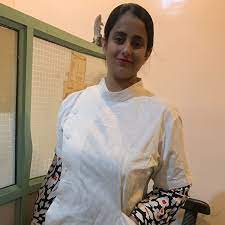
Content is medically reviewed by:
Dr. Shakti Singh, 7+ years of experience
Senocare Physiotherapy at Home in Gurgaon provides a number of strong arguments for people looking for individualised, superior care in the convenience of their own homes. The following are some of the main advantages of selecting Senocare Physiotherapy.
Physiotherapy at Home in Gurgaon: Pricing
| Service | Price |
|---|---|
| First session (assessment + treatment) | ₹900 onwards |
| Follow-up session | ₹900 onwards |
Final pricing depends on condition, session duration, and therapist experience. No hidden charges. Call +91 124 4666185, +91 124 4666186 for a personalised quote.
1. Comfort & Convenience
For patients with mobility impairments or those recuperating from injuries, in-home physiotherapy treatments save time and alleviate the burden of commuting.
Patients can receive treatment in a setting that is comfortable and known to them, which helps promote rest and healing.
2. Personalized Care
Senocare offers physiotherapy treatment plans that are specifically designed to meet the needs of each patient, guaranteeing that the therapy is appropriate for their condition and advancement.
With one-on-one sessions, the physiotherapists can closely assess patients’ progress and make necessary adjustments.
3. Professional and Skilled Physiotherapists
The Senocare team is made up of highly skilled and knowledgeable physiotherapists who specialise in treating a variety of ailments, from neurological illnesses to musculoskeletal problems.
To guarantee that patients receive the finest care possible, they provide their professional skills.
4. Flexibility in Time
It is simpler to integrate therapy into everyday routines when patients receive physiotherapy at home since they can select the times that are most convenient for them.
Those with hectic schedules or those who require treatment at particular times may particularly benefit from this flexibility.
5. Better Results and Compliance
Because they feel more at ease and can avoid the inconvenience of clinic appointments, patients who receive treatment at home are more likely to continue with their rehabilitation programs, according to studies.
6. Economical
When you include in extra clinic fees and travel expenses, home-based physiotherapy is frequently more cost-effective than clinic-based treatments. Packages are frequently offered, giving patients an affordable option for continuing care.
Benefits of home physiotherapist
- Convenience and Comfortable
- Personalized and Focused Care
- Greater Flexibility
- Improved Compliance and Motivation
- Faster Recovery
- Cost-Effective
- Safe and Relaxing Environment
- Holistic Approach to Recovery
Gurgaon Home Physiotherapists’ Treatment includes
Orthopedic Physiotherapy
Post-Surgical Rehabilitation: Rehabilitation following orthopedic surgeries like joint replacement, fractures, ligament repairs, etc.
Sports Injury Rehabilitation: Recovery from sprains, strains, tendonitis, fractures, and other sports-related injuries.
Joint Pain & Arthritis Management: Pain relief and strengthening exercises for conditions like osteoarthritis and rheumatoid arthritis.
Back and Neck Pain Treatment: Management of chronic pain, herniated discs, sciatica, and postural issues.
2. Neurological Physiotherapy
Stroke Rehabilitation: Motor recovery, strength training, and balance exercises for stroke survivors.
Parkinson’s Disease Management: Exercises to improve movement, flexibility, and balance.
Multiple Sclerosis (MS) Therapy: assisting patients in managing their weariness, balance problems, and mobility obstacles.
Spinal Cord Injury Rehabilitation: programs designed to help people recover from spinal cord injuries by increasing their strength, movement, and independence.
Traumatic Brain Injury (TBI) Rehabilitation: Cognitive and physical therapy to aid in recovery from brain injuries.
3. Geriatric Physiotherapy
Fall Prevention and Balance Training: Exercises to reduce the risk of falls and improve overall balance and mobility.
Post-Fracture Rehabilitation: Restoring movement and strength after bone fractures, often in the elderly.
Age-Related Conditions: osteoporosis, arthritis, and general musculoskeletal pain, among other age-related ailments.
Mobility and Functional Training: Helping elderly individuals maintain or regain independence in daily activities
We offer homecare physiotherapy services in conditions such as:
- Ankle sprain
- Back pain
- Adhesive capsulitis
- Plantar fasciitis
- Ankylosing spondylitis
- Rheumatoid arthritis
- Cerebellar ataxia
- Chondromalacia patella
- Fibromyalgia
- Foot drop
- Hemiplegia
- Post fracture rehabilitation
- Scoliosis
- Parkinson’s disease
- Vertigo
- Sciatica
Frequently Asked Questions (FAQs):
Sessions start from ₹900, depending on the condition and treatment plan.
Next day.
DLF Phase 1-5, Sushant Lok, Golf Course Road, MG Road, Sector 14, Sector 29, Sohna Road, South City, Palam Vihar, etc.
We treat orthopedic conditions (back pain, joint pain, post-surgery recovery), neurological conditions (stroke, Parkinson's, spinal cord injury), and geriatric conditions (fall prevention, post-fracture rehab, age-related mobility issues).
No.