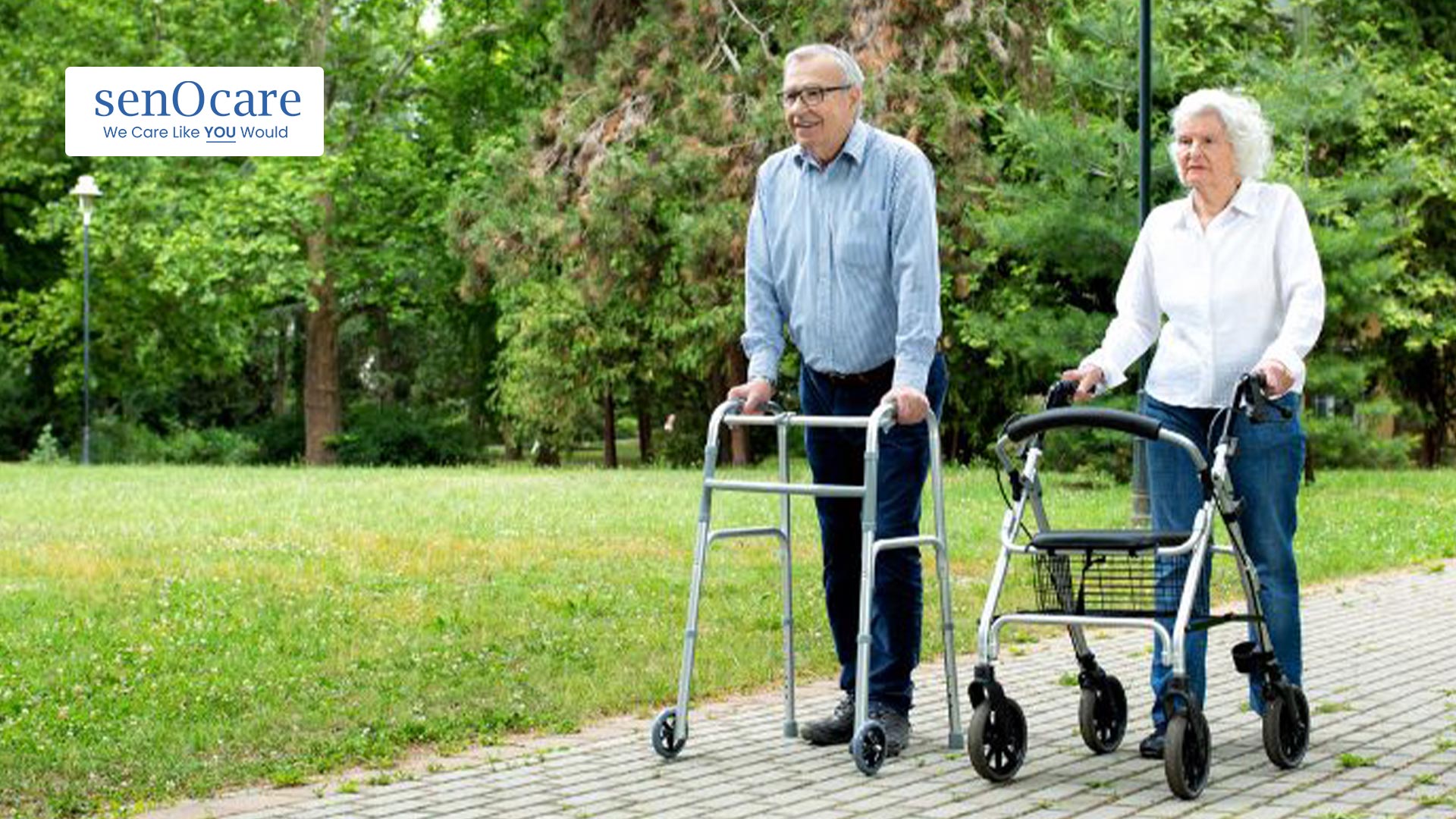
Grab Bars for Elderly: A Simple Addition for Big Safety Benefits

Content is medically reviewed by:
Grab bars are sturdy bars installed in bathrooms, hallways, and other areas of a home to provide support and stability. They are particularly important for elderly individuals who may experience decreased mobility or balance issues.
Here's how grab bars can significantly enhance safety and independence
Reduced Fall Risk
Grab bars offer a reliable handhold to prevent slips and falls, especially in slippery bathroom environments.
Improved Maneuvering
Getting in and out of bathtubs, showers, and using the toilet becomes easier and safer with the added support of grab bars.
Increased Confidence
Knowing there's a secure bar to grab onto can boost confidence and peace of mind during daily routines.
Maintained Independence
Grab bars can help seniors maintain their independence for longer by allowing them to navigate their home safely without assistance.
Medical equipment’s that you can rent from Senocae
- Automated wheelchair
- Multipara Monitor
- Glucometer
- Oximeter
- Hearing aid
- Stollers
- Toilet Seat Elevator/ Raiser
- Grab bars for elderly
- Walkers for elderly
Challenges Elderly Individuals Face with Balance and Stability
Maintaining balance becomes more difficult with age due to a combination of factors. Here's a closer look at some of the key challenges elderly individuals face:
Decreased Sensory Input
Vision tends to decline with age, making it harder to see depth changes and uneven surfaces. Additionally, the inner ear (vestibular system) can become less sensitive, affecting balance perception.
Reduced Muscle Strength and Flexibility
Muscles naturally weaken and stiffen with age, making it harder to react quickly and adjust posture to maintain balance. Reduced flexibility also limits mobility and increases fall risk.
Slower Reflexes
Reaction times slow down as we age. This makes it harder to catch oneself or regain balance after a stumble.
Chronic Conditions and Medications
Certain health conditions like arthritis, Parkinson's disease, and neuropathy can significantly impact balance. Additionally, some medications can cause dizziness or drowsiness, further increasing fall risk.
Fear of Falling
Unfortunately, a fear of falling can become a self-fulfilling prophecy. It can lead to anxiety and hesitation during movement, making falls more likely.
These challenges can significantly impact an elderly person's ability to move safely and independently. This is where grab bars and other safety measures can play a crucial role in promoting confidence and preventing falls.
Bathrooms, bedrooms, and other living spaces can pose hidden dangers for elderly individuals or those with mobility limitations. Here's why grab bars are essential in these areas:
Bathrooms
Slippery Surfaces
Wet floors, bathtubs, and showers create a high risk of slips and falls. Grab bars offer a secure hold to prevent falls when entering or exiting the shower/tub, or when getting up from the toilet.
Limited Maneuvering Space
Bathrooms can be cramped, making it difficult to maintain balance. Grab bars placed strategically near the toilet, tub/shower, and sink provide support during transfers and maneuvering.
Bedrooms
Low Beds and Difficulty Rising
Getting out of low beds can be challenging for those with weak legs or balance issues. Grab bars installed near the bedside offer a sturdy handhold for safe and easier rising.
Other Living Spaces
Hallways and Stairs
These areas pose a fall risk due to uneven surfaces and potential tripping hazards. Grab bars installed along hallways and on stairwells provide much-needed support while navigating the home.
Standing from Seated Positions
Grab bars can be helpful near couches and armchairs, offering a reliable grip for standing up without losing balance.
Overall, grab bars address the specific challenges faced in different areas of the home. They offer essential support for maintaining balance, preventing falls, and promoting safe and independent movement throughout the living space.
Grab Bars for Elderly: Not Just for Permanent Needs - Introducing Temporary On Rentals
While grab bars are traditionally seen as a permanent home modification, there are situations where a temporary solution might be ideal. This is where rental grab bars come in.
Renting grab bars offers a flexible and convenient option for individuals who:
Need temporary support
Recovering from surgery, injury, or illness can create a temporary need for additional support. Rental grab bars can provide this support during the recovery period without requiring permanent installation.
Are testing the need
Unsure if permanent grab bars are necessary in the long run? Renting allows you to try them out and see if they improve safety and independence before committing to a permanent installation.
Live in a rental property
Modifying a rental property might not be allowed. Renting grab bars provides a safe solution without altering the permanent structure.
Temporary Support, Lasting Benefits: Advantages of Renting Grab Bars for Elders
While permanent grab bars offer a long-term solution, renting grab bars provides unique advantages, particularly for those who need temporary support or more flexibility:
Cost-Effective
Renting grab bars is a more affordable option compared to purchasing and installing them permanently. This can be ideal for short-term needs or when unsure about long-term requirements.
Flexibility
Rental grab bars offer the flexibility to be installed and removed as needed. This is particularly beneficial for situations like recovery from surgery or trying out grab bars before a permanent installation.
No Damage to Property
Renting grab bars is ideal for renters or those who don't want to modify their property permanently. Rental grab bars often use temporary mounting solutions that don't require drilling or damaging walls.
Quick and Easy Installation
Rental grab bars typically come with easy-to-follow instructions and user-friendly mounting mechanisms, allowing for quick and hassle-free installation.
Variety of Options
Rental companies often offer a variety of grab bars in different lengths, styles, and weight capacities to suit specific needs and bathroom configurations.
Grab Bars for Elderly: The Right Support for Every Need
While the core function of grab bars remains providing support and stability, they come in various types designed to address specific needs and bathroom configurations. Here's a breakdown of some common grab bars:
Bathroom Grab Bars
Straight Grab Bars
These versatile bars come in various lengths and are suitable for a variety of locations in the bathroom, including next to the toilet, shower stall, or bathtub. They can be mounted vertically, horizontally, or diagonally depending on the intended use.
Angled Grab Bars
These L-shaped bars offer support in corner areas, particularly useful near the shower or bathtub where a change in direction is needed.
Folding Grab Bars
Ideal for small spaces, folding grab bars can be pushed up against the wall when not in use, maximizing space efficiency in cramped bathrooms.
Shower Grab Bars
Horizontal Grab Bars
Installed horizontally across the length of the shower wall, these bars provide a secure hold for maintaining balance while showering.
Vertical Grab Bars
Mounted vertically next to the shower entrance or near the showerhead, these bars offer support for getting in and out of the shower stall safely.
Combo Grab Bars
Combining both horizontal and vertical bars in a single unit, these bars offer multi-directional support within the shower enclosure.
Toilet Grab Bars
Lateral Grab Bars
Installed horizontally on either side of the toilet, these bars provide support when sitting down or standing up.
Behind-the-Toilet Grab Bars
Mounted directly behind the toilet, these bars offer a sturdy handhold for getting up and down safely.
Rental Grab Bars for Elderly: Easy Installation, No Property Damage
One of the significant advantages of renting grab bars is the ease of installation without causing damage to the property. Here's why:
Temporary Mounting Solutions
Rental grab bars typically utilize mechanisms like toggle bolts, strong adhesives, or suction cups for secure mounting. These methods eliminate the need for drilling or causing permanent alterations to walls.
User-Friendly Instructions
Rental grab bars often come with clear and concise instructions that guide you through the installation process step-by-step.
Quick and Hassle-Free
The user-friendly mounting mechanisms and clear instructions allow for quick and hassle-free installation, making them ideal for those who may not be comfortable with DIY projects.
Tips for Flawless Installation of Rented Grab Bars for Elders
Follow the Instructions
Rental grab bar instructions are designed for a smooth installation process. Read them carefully and follow each step meticulously.
Choose the Right Location
Select a location with a sturdy wall surface that can support the user's weight. Avoid installing on weak surfaces like drywall alone, unless the mounting solution specifically allows for it.
Mark Precise Drill Points (if applicable)
If your rental grab bar uses toggle bolts, mark the drill points carefully using a level to ensure a secure and straight installation. Double-check measurements before drilling.
Prepare the Surface
Clean and dry the wall surface where the grab bar will be mounted. This ensures a strong and lasting bond with the mounting solution.
Test the Security
Once installed, always test the grab bar for sturdiness before using it. Give it a firm tug in all directions to ensure a secure hold.
Grab Bars for Elderly: Safety First - Proper Usage and Precautions
While grab bars offer invaluable support and promote independence, using them correctly is crucial to maximize their effectiveness and prevent accidents. Here's how to ensure safe and proper grab bar usage:
Grip Firmly
When using a grab bar, grasp it firmly with a dry hand for optimal support. Avoid using wet or greasy hands, as this can cause slippage.
Apply Your Weight Evenly
Distribute your weight evenly on both legs when using a grab bar for leverage. Don't rely solely on the grab bar to support your entire weight.
Use for Support, Not Hoisting
Grab bars are designed to provide support while standing, transferring, or maintaining balance. They are not meant to be used for hoisting yourself up completely.
Mind Your Body Mechanics
Bend at your knees and hips when using a grab bar, especially when lowering yourself or getting up. This ensures proper body mechanics and reduces stress on your joints.
Regular Inspections
Routinely inspect your grab bars for any signs of loose screws, damaged mounting, or cracks. If you notice any issues, address them immediately or contact the rental company for repairs.
Frequently Asked Questions (FAQs)
What height should grab bars be for elderly?
There isn't a one-size-fits-all answer for grab bar height, as it depends on the individual's needs and the specific location of the grab bar. However, here are some general recommendations:
Horizontal Grab Bars (e.g., toilet grab bars): 33 to 36 inches measured from the finished floor to the top of the grab bar.
Vertical Grab Bars (e.g., next to the shower): 39 to 41 inches measured from the finished floor to the top of the grab bar.
Where should grab bars be placed?
The optimal placement of grab bars depends on the specific location within the bathroom and how it will be used for support. Here's a breakdown of recommended placements for different areas:
Bathrooms:
Shower:
Vertical Grab Bar: Installed near the shower entrance on the wall opposite the showerhead for support while entering and exiting.
Horizontal Grab Bar: Mounted horizontally across the length of a side wall within the shower stall for maintaining balance while showering.
Combo Grab Bar: This combines a vertical and horizontal bar in one unit, offering multi-directional support within the shower enclosure (optional).
Toilet:
Lateral Grab Bars: Installed horizontally on either side of the toilet, roughly 33-36 inches from the floor, to provide support when sitting down or standing up.
Behind-the-Toilet Grab Bar: Mounted directly behind the toilet, offering a sturdy handhold for getting up and down safely.
What is the cost to install grab bars?
The cost to install grab bars can vary depending on several factors, including:
Number of grab bars needed: The more grab bars you install, the higher the overall cost will be.
Type of grab bars: More sophisticated grab bars with features like folding mechanisms or built-in shower seats might cost more than standard straight grab bars.
Material of grab bars: Stainless steel grab bars are generally more expensive than nylon or plastic ones.
Labor costs: The professional installation fees will vary depending on your location and the complexity of the job.
Here's a rough estimate for installation costs in India:
Professional Installation: ₹500 - ₹1,000 per grab bar for labor costs, not including the grab bar itself.
DIY Installation: This can be a cost-effective option if you're comfortable with DIY projects and the rental grab bars use user-friendly mounting mechanisms. However, ensure you follow proper installation procedures for safety reasons.
Here are some resources to help you estimate the cost of grab bars in India
Online retailers like Amazon.in or Flipkart list the prices of various grab bars.
Local hardware stores can provide quotes for specific grab bars and potentially offer installation services.
Rental grab bar companies often have transparent pricing structures listed on their websites.
By considering these factors and exploring your options, you can get a better idea of the cost involved in installing grab bars in your location.
The cost to install grab bars in India depends on a few key factors:
Rental vs. Permanent Installation
Rental: This is a more budget-friendly option. Rental companies typically charge a weekly or monthly fee that may include the grab bars themselves and installation. Some might offer installation as an additional service.
Permanent: This involves purchasing the grab bars and potentially hiring a professional for installation.
DIY vs. Professional Installation
DIY: Rented grab bars often come with user-friendly mounting mechanisms (toggle bolts, strong adhesives, suction cups). If you're comfortable with DIY projects, you can install them yourself, minimizing costs. However, ensure proper installation for safety.
Professional: Hiring a handyman or contractor adds labor costs to the price of the grab bars. This cost varies depending on your location, the job's complexity (number of bars, drilling required), and the professional's rates. Expect ₹500-₹1,000 per grab bar for labor, excluding the bar itself.
Resources for Cost Estimation
Rental Grab Bar Companies: Their websites often have transparent pricing structures for rental fees and potential installation charges.
Online Retailers (Amazon.in, Flipkart): These platforms list grab bar prices to help you choose based on material, features, and budget.
Local Hardware Stores: They can provide quotes for specific grab bars and installation services at their prevailing rates.
By considering these factors and exploring your options, you can estimate the cost of installing grab bars in your location. Remember, renting grab bars can be a cost-effective solution, especially for temporary needs.
Can grab bars be installed over tile?
Absolutely, grab bars can be installed over tile! Here's why it's possible and
what you'll need to consider:
Suitable for Tile Walls:
Tile provides a sturdy and stable surface for grab bar installation, making it a perfectly suitable option.
Using the Right Tools:
Standard drill bits won't work on tile. You'll need a tile drill bit, specifically designed to cut through the tough tile surface without cracking it.
Once the tile is penetrated, a regular drill bit can be used to drill into the wall material behind the tile (usually drywall or stud).
How many grab bars should you have in a bathroom?
The number of grab bars you need in a bathroom depends on two main factors:
Bathroom Layout: This includes the presence of a bathtub, shower stall, or a combination of both, along with the overall size of the bathroom.
User Needs: The level of support required by the person using the bathroom will determine how many grab bars are necessary for safe and comfortable maneuvering.
Here's a breakdown to help you decide:
Minimum Recommendation:
At least 2 grab bars are recommended for most bathrooms. This typically includes:
One grab bar near the toilet (usually horizontal on either side) for support when sitting down or standing up.
One grab bar inside the shower stall (usually vertical near the entrance or horizontal along a side wall) for maintaining balance while showering.
Why are grab bars installed behind toilet?
Grab bars installed behind the toilet serve a specific purpose in promoting safety and independence in the bathroom, especially for elderly individuals or those with mobility limitations. Here's why they are beneficial:
Enhanced Leverage: A grab bar positioned behind the toilet offers a secure handhold when standing up from a seated position. This is particularly helpful for users who may experience weakness in their legs or difficulty pushing themselves up with limited armrest space on the toilet itself.
Improved Stability: The behind-the-toilet grab bar provides additional support when transferring from a wheelchair or walker onto the toilet seat and vice versa. This can significantly reduce the risk of falls during these movements.
Caregiver Assistance: For individuals who require assistance with bathroom activities, a grab bar behind the toilet offers a secure point for caregivers to provide support while the user stands up or transfers. This promotes safety and dignity for both the user and the caregiver.